
EXPLORE PAWS UNBOXED
Wellness
Everyday care comes with questions: how do you build a dental routine, use parasite prevention safely, or describe a change you have noticed in your pet? Start with the guide that matches your concern.
Explore dental care, flea and tick prevention, and changes in senior dogs. Our guides explain what to observe, what to record, and which questions to bring to your veterinarian. They support informed conversations and everyday care; they do not diagnose your pet or replace an examination.

Stories
-

Designer Dogs: Are Doodles Really Healthier and Hypoallergenic?
Labradoodles, Cockapoos, and other named crosses can be wonderful companions. Here is what their labels reveal, what the research actually shows, and what to check before bringing one…
-

Is My Senior Dog Slowing Down or Showing Signs of Pain?
Changes in movement, sleep, and sociability deserve attention. Learn what to record, how your veterinarian investigates, and which home changes can help.
-

Walking Your Dog in Hot Weather: Heat Risks and Warning Signs
There is no universal safe temperature for every dog. Plan lower-risk outings and recognize when overheating calls for immediate cooling and veterinary care.
-
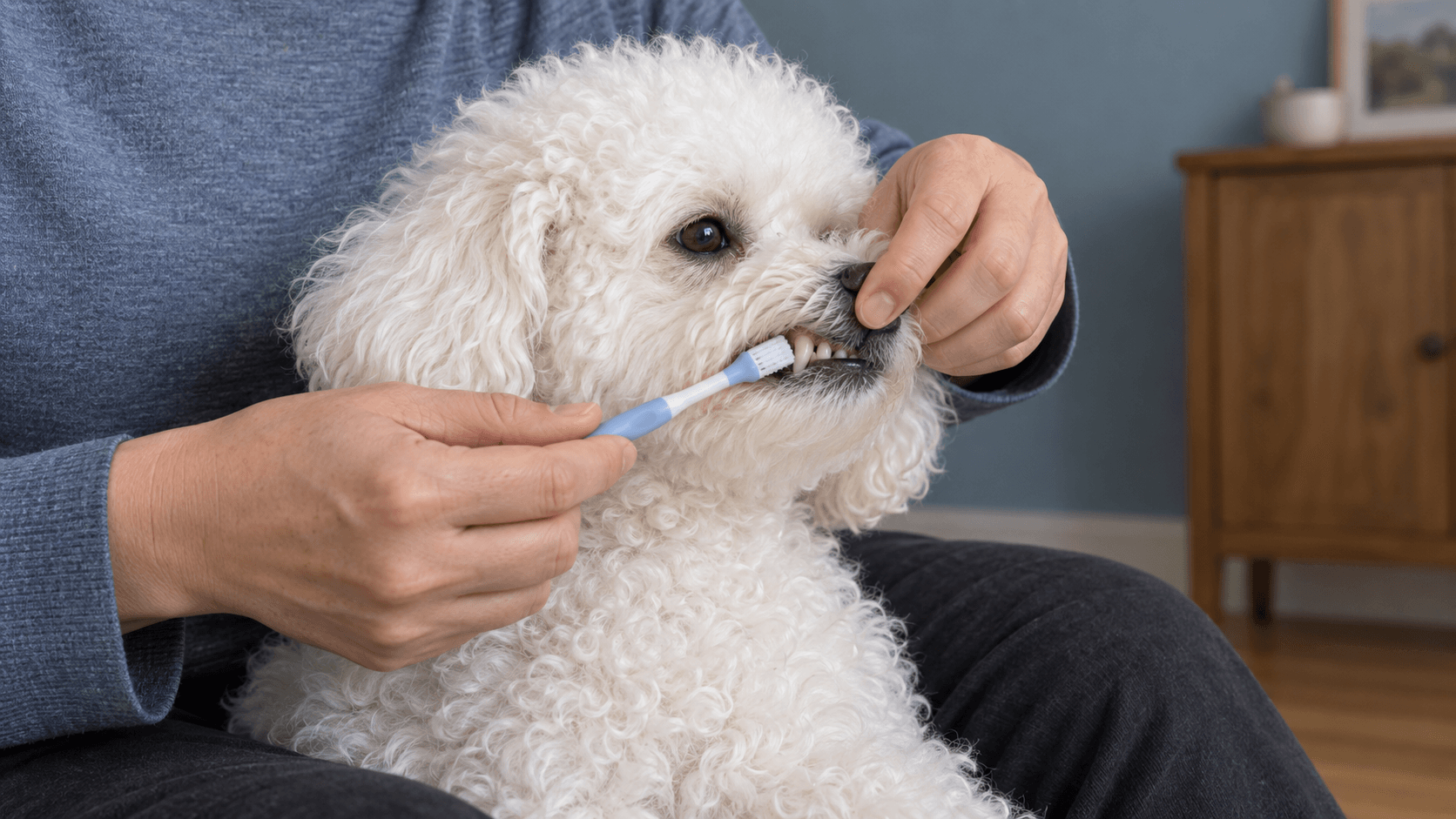
Pet Dental Care: What Brushing, Chews, and Professional Cleanings Can Do
Home care and veterinary dentistry have different jobs. Understand plaque control, dental product claims, painful warning signs, and the role of anesthesia.
-

Flea and Tick Prevention for Dogs and Cats: Using Products Safely
Understand species and weight restrictions, discuss medical history with your veterinarian, and know what to do if a flea or tick product causes a reaction.
-
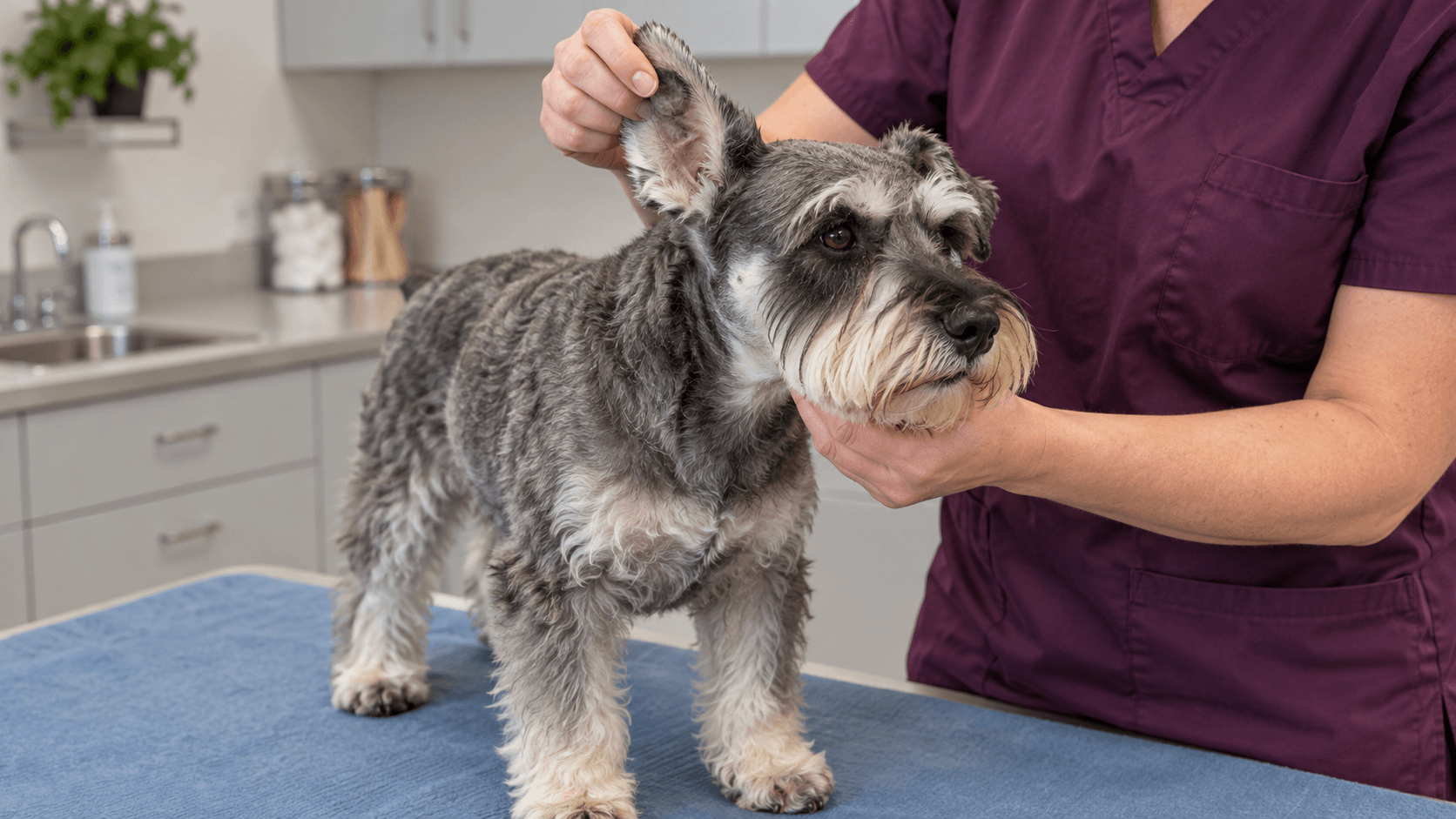
Why Is My Dog Scratching Their Ears or Shaking Their Head?
Ear scratching has several possible causes. Learn what an examination can reveal, which signs need urgent help, and why leftover ear drops can be risky.
-

Why Does My Dog Keep Licking Their Paws?
Persistent paw licking can reflect irritation, injury, infection, or other problems. Here is what to notice and why the cause matters before treatment.